Tackling Childhood Blindness: A Global Responsibility
Source: upload.wikimedia.org
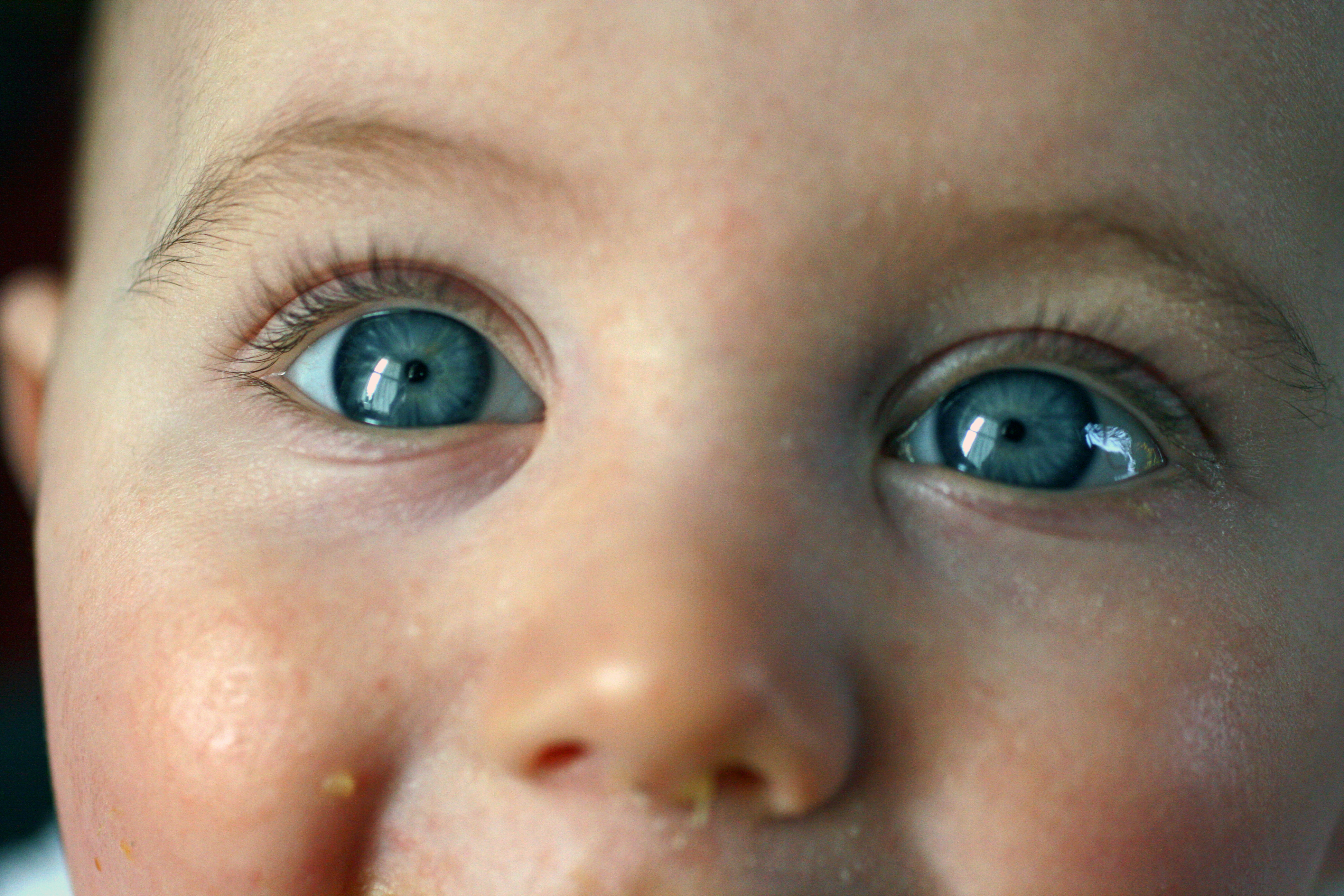
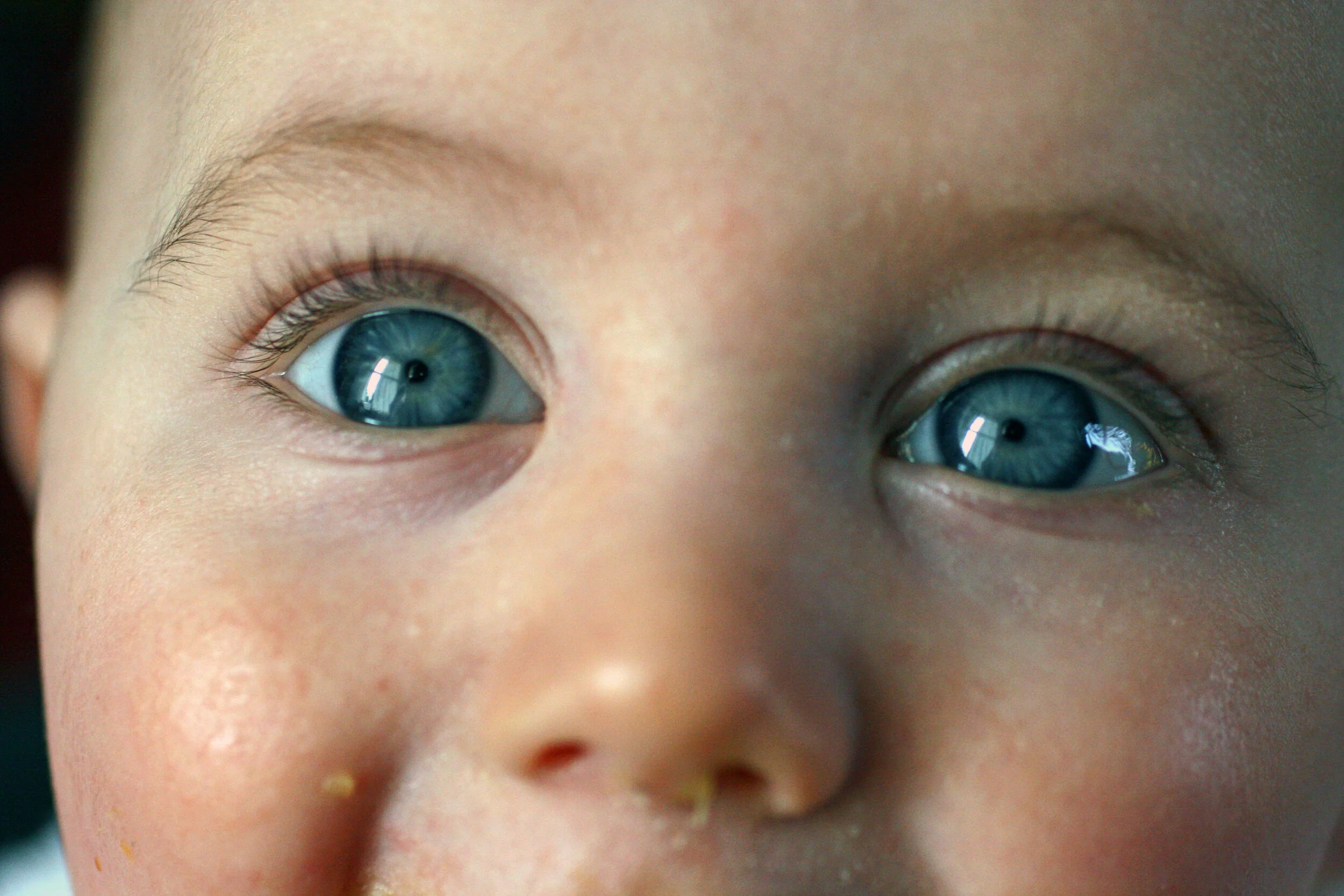
A study by The Community Eye Health Journal says that an approximate 1.4 million children in the world are blind, with an average of 500,000 children turning blind each year. The saddening fact is that many cases of blindness impairing children for life are preventable. Yes, you read that right. When treated with urgency, children have been and can be saved from lifelong blindness. The disability affecting their learning and education, employable opportunities and earning potential is often completely avoidable.
Global Childhood Blindness figures, as per The Tropical Journal of Ophthalmology and Otolaryngology, show that the continents of Asia and Africa account for 75% of children who are victims of preventable and curable blindness. The rest of the world contributes to 25% of the childhood blindness populace.
Childhood Blindness – Preventable and Curable Causes:

Source: freepik.com
The International Council of Ophthalmology, in its research article Childhood Blindness: Public Health Presentation, says that the preventable and curable causes that lead to Childhood Blindness vary as per the affluence of the countries. In poor countries, one common cause is corneal scarring: deep scratches or injuries resulting in vision problems, Vitamin A deficiency, measles, and Ophthalmia Neonatorum. Another factor is the mucopurulent conjunctivitis infections, which occur in the first 4 weeks of life and affect about 1.6% to 12% of newborns. Harmful traditional practices are among potential triggers of childhood blindness as well.
In middle-income countries, the primary causes are attributed to generally hereditary conditions. For instance, Retinopathy of Prematurity (ROP) observed in premature babies with the growth of abnormal blood vessels in the retina. Retinal dystrophies are also to blame, provoked by the degeneration of tissue owing to disease or malnutrition. In high-income countries, Central Nervous System (CNS) disorders and retinal conditions are major contributing factors.
Childhood Blindness – Dealing With the Curable & Preventable:
Vision 2020: The Right to Sight is an initiative undertaken by the World Health Organization and the International Agency for the Prevention of Blindness. It was launched in 1999, aiming for “a world in which nobody is needlessly visually impaired, where those with unavoidable vision loss can achieve their full potential.”
This statement offers us much-needed hope. The consecutive World Health Assembly resolutions of 2003, 2006, 2009 and 2013 further strengthened the cause. Of it, the 2009 and 2013 were backed with WHO Action Plans that offered insights into the targeted goals and how they must be met. Universal Eye Health: A global plan 2014-2019 (GAP) saw the unequivocal support and adoption by Member States at the World Health Assembly 2013. More recently, in 2020 World Health Assembly is urging that eye care be a principal health agenda of United Health Care (UHC). Through these concentrated efforts, Vision 2020 has evidently achieved prioritising eye health across all levels - global, regional and national. The promising fact is the impact these initiatives have generated. Although focused on overall blindness, childhood blindness comes within its scope.
Studying the developments, the efforts have been magnanimous and the reach has been wide, but childhood blindness continues to prevail in the global community. Public outreach and awareness programmes, grassroots surveys, early detection, and surgical intervention must be the primary focus areas. Conducting eye camps in rural and impoverished regions and creating robust local medical eye centres providing prenatal and post-birth care are essential responsibilities of governments. These are some of the measures that can be adopted by the community at large.
As a part of the global family, it becomes essential for each and every one of us to ensure that we create a world free from needless blindness for our children. A world that allows them to experience and explore the full potential of life.
About the Author
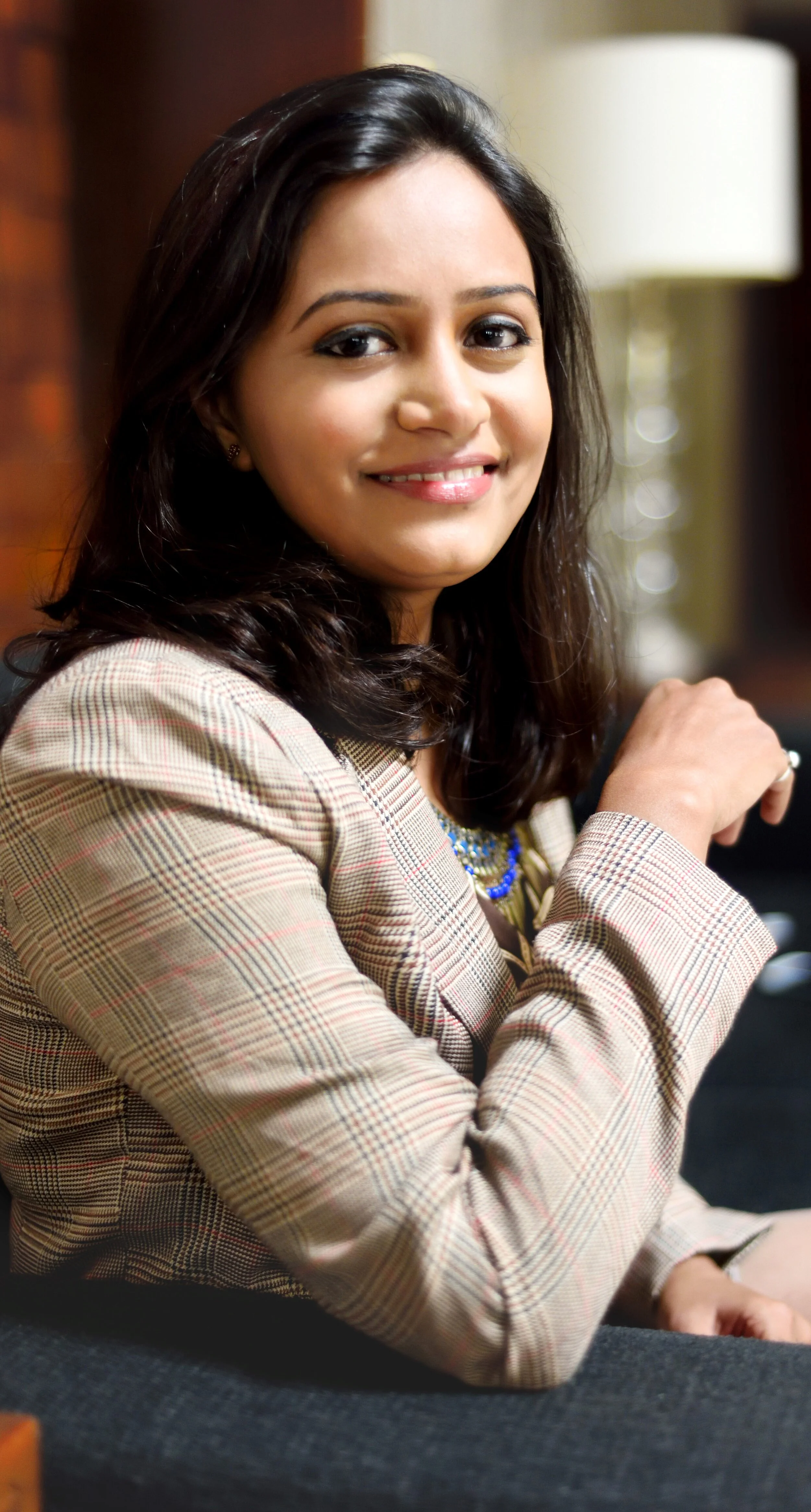
Swapna Iyer
Hello! I am Swapna Iyer, an Indian National. I hold a Master’s Degree in Law, and Mass Communication, and I am a Trinity CertTESOL qualified English teaching instructor. My interests lie in subjects that can make a positive sociological impact. While we have several mediums that speak of the issues, very few offer constructive solutions. I aim to make a humble contribution by writing on topics that focus on solutions.
I also come from a generation that swears by Harry Potter books and believes in the words of Albus Dumbledore: Happiness can be found even in the darkest of times, if one only remembers to turn on the light. With writing as my passion, I hope my writings bring, even if a little, light and happiness to readers.
LinkedIn: https://in.linkedin.com/in/swapnaiyer